Custom Session Border Controllers
Secure the Edge. Command the Core.
From connection to routing, nothing crosses your network unchecked.
Build My SBCTrusted by 750+
 G2
G2 Gartner
 Trustpilot
Custom SBC Built to Go Beyond the Obvious
Here's what a generic one misses that a custom one catches.
- One script crashes your softswitch.
- Bleeding revenue via toll fraud.
- Dropped calls due to header incompatibility.
- Dead air from one-way audio.



What breaks silently today becomes expensive tomorrow.





The Impact Where Things Start Getting Better
Better border means better calls means better everything
Unwanted traffic never reaches your core network.
Call quality holds steady, even under heavy load.
Routing decisions stay consistent across carriers.
Calls stay intact across firewalls and complex networks.
Incompatible systems connect without manual fixes.
Network stability holds even during failures or spikes.

Every Feature Here Exists Because a Real Network Needed It
Packet-level control for high-density, zero-tolerance environments.
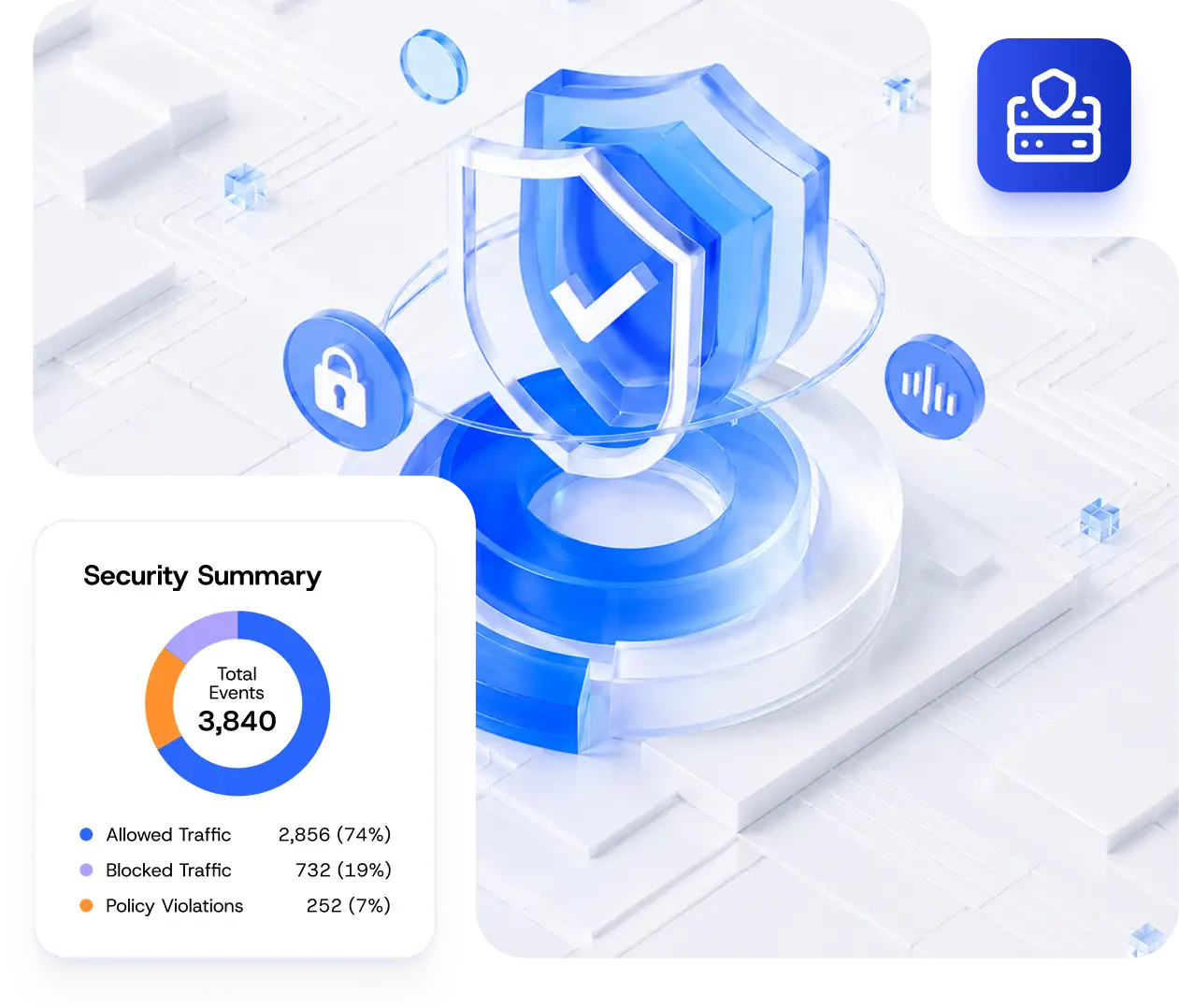
Security & Control
- Topology hiding
- SIP TLS & SRTP encryption
- Traffic filtering
- Access control policies
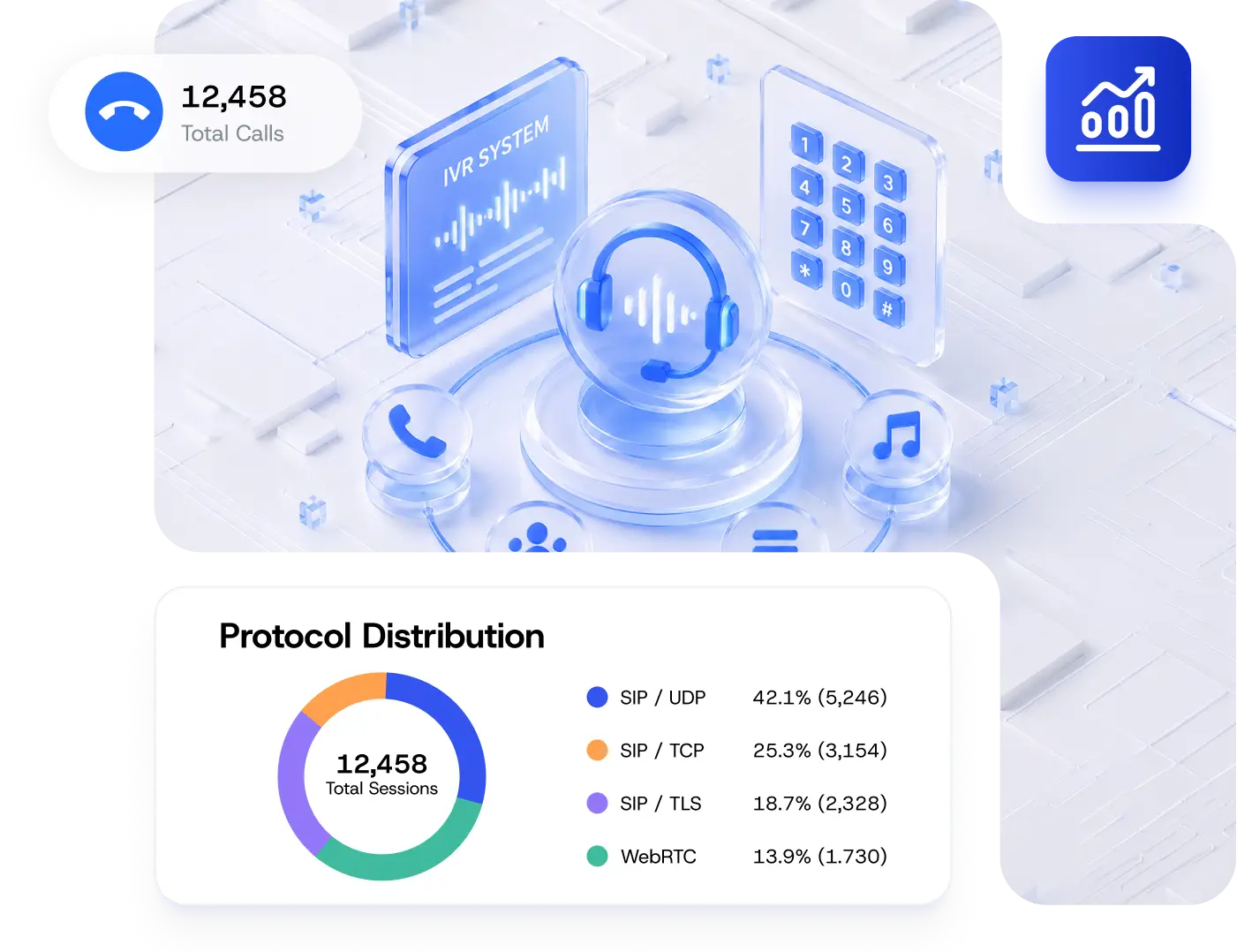
Interoperability & Routing
- Custom SIP header manipulation
- Protocol interworking (UDP, TCP, TLS, WebRTC)
- Codec interworking (PCMU, PCMA, etc.)
- DTMF interworking (RFC2833, SIP INFO)
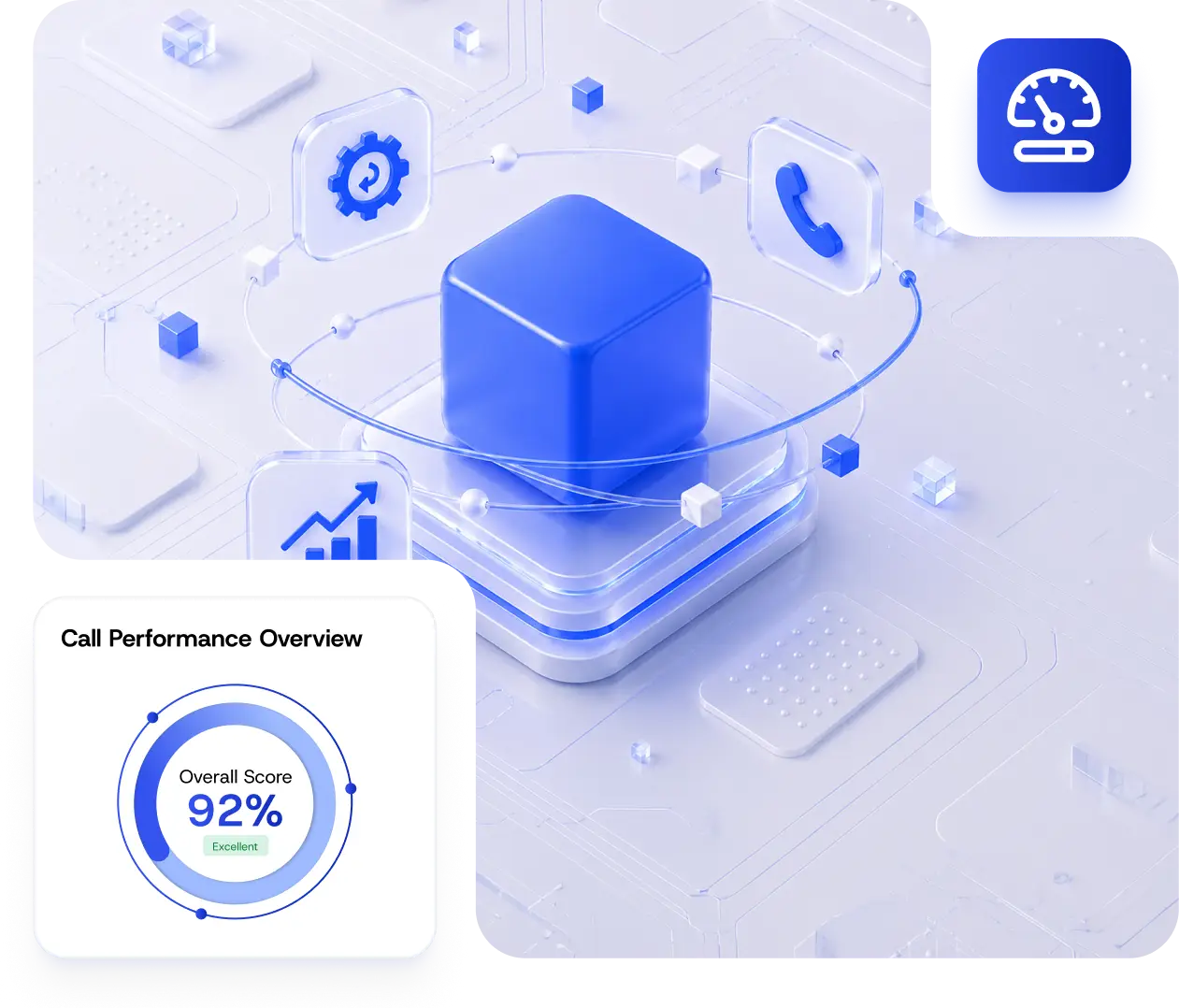
Performance & Optimization
- Call Admission Control (CAC)
- Bandwidth management
- Load distribution
- Signaling and media control
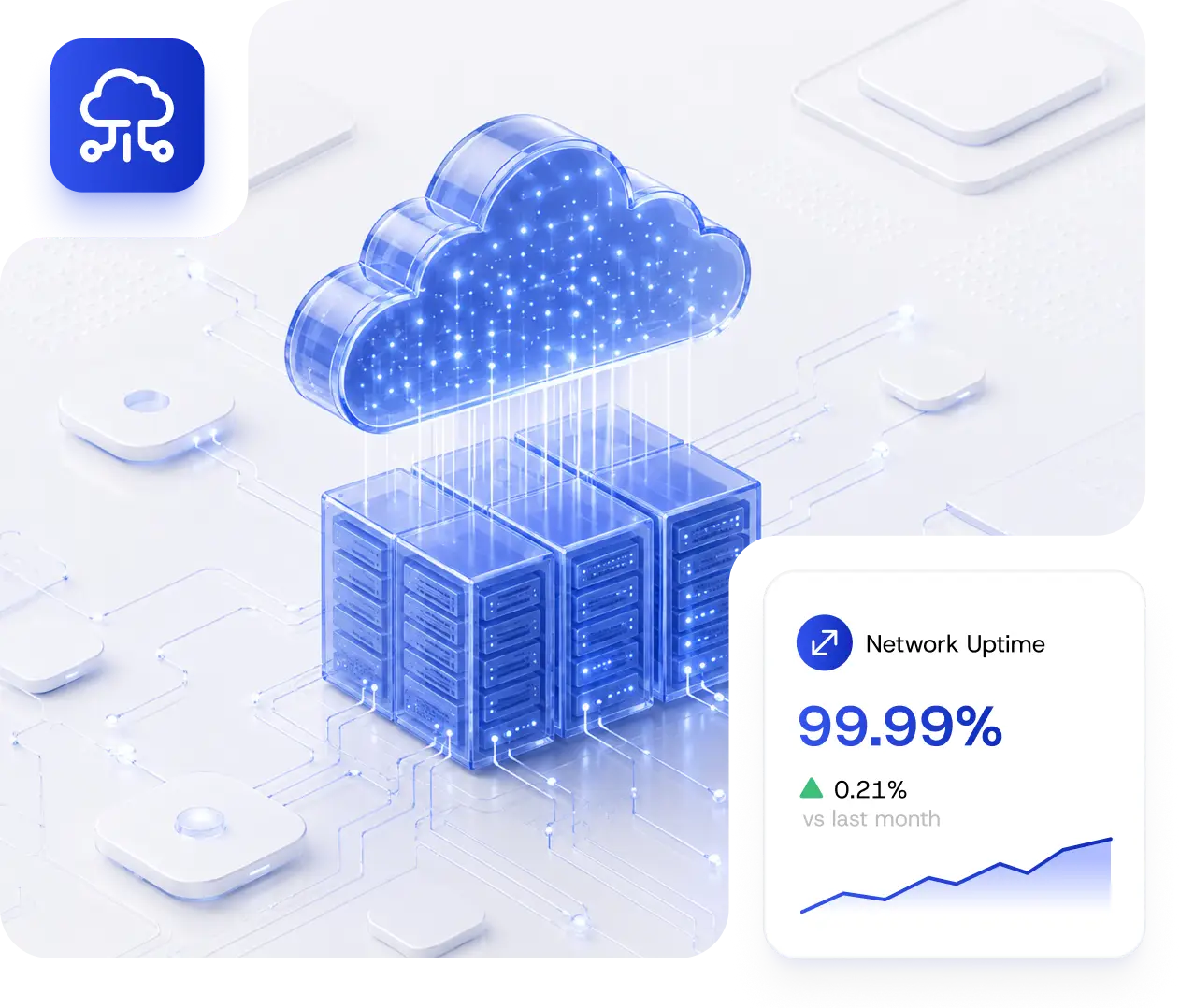
Network & Deployment
- NAT & PAT handling
- SIP ALG functionality
- High availability setup
- Deployment on cloud & physical infrastructure


Where Our Session Border Controllers Fit Best
Defense tailored to your exact traffic profile.
Hosted PBX Environments
VoIP Service Providers
Contact Centers
Telecom OEMs & Vendors
Unified Communications Platforms
Enterprise Networks


How Our Custom SBC Fits Into Your Architecture
Checks everything coming in and going out so your core never sees the mess.
Devices / IP PBX
Initiates and receives SIP calls within your internal network
Secure Signaling Layer (SIP/TLS – RTP G.729)
Encrypts signaling and media before reaching the edge
Session Border Controller (Core Control Point)
Normalizes protocols, enforces security, and manages routing decisions
Media & Protocol Translation (SIP/UDP – RTP G.711)
Converts signaling and codecs for external compatibility
External Network Interface
Bridges communication between your network and service providers
Softswitch / VoIP Provider
Terminates or originates calls via cloud or PSTN infrastructure
Frequently Asked Questions
An SBC in telecom (Session Border Controller) is a dedicated network device or software application that protects and regulates IP communications flows. It sits at the border of a VoIP network to control signaling and media streams, preventing cyber attacks while ensuring high-quality voice and video sessions.
Unlike standard IT firewalls that only monitor data ports, an enterprise session border controller deeply inspects SIP (Session Initiation Protocol) packets. It provides vital protection against VoIP-specific threats like toll fraud, SIP hijacking, and telephony DoS/DDoS attacks that standard firewalls cannot detect.
An open source session border controller (built on engines like Kamailio or OpenSIPS) offers immense flexibility and avoids the heavy, per-session licensing fees of proprietary hardware. It allows network architects to build highly customized, scalable session border controller solutions tailored to their specific infrastructure without vendor lock-in.
One-way audio in VoIP is usually caused by Network Address Translation (NAT) modifying IP headers, confusing the media stream. Cloud SBC solutions solve this using a built-in SIP Application Layer Gateway (ALG) and NAT Traversal techniques, rewriting the SIP headers dynamically so the audio packets are routed to the correct destination.
Yes. Beyond security, a custom session border controller solution improves Quality of Service (QoS) through Call Admission Control (CAC) and bandwidth management. It prevents jitter, latency, and dropped calls during high-traffic periods by prioritizing voice traffic and transcoding incompatible media codecs on the fly.