One Less Thing to Worry About
That's what VoIP Infrastructure migration should feel like when it's done.
Get it right, and you scale faster.
Plan with UsTrusted by 750+
 G2
G2 Gartner
 Trustpilot
The Best VoIP Migration Plan Shouldn’t Be Noticeable
Our favorite compliment? "Wait, the migration’s done?"
- Unexpected downtime during cutover
- Data inconsistencies across systems
- Interoperability breaks between systems
- Security gaps during transition



Time to make your voice infra faster, safer, and more scalable?





VoIP Migration Scenarios We’ve Perfected
We give every network the customized transition strategy it needs.

Everything You’ve Built? It’s Coming.
Servers, routes, records, integrations - even the parts you forgot to list.
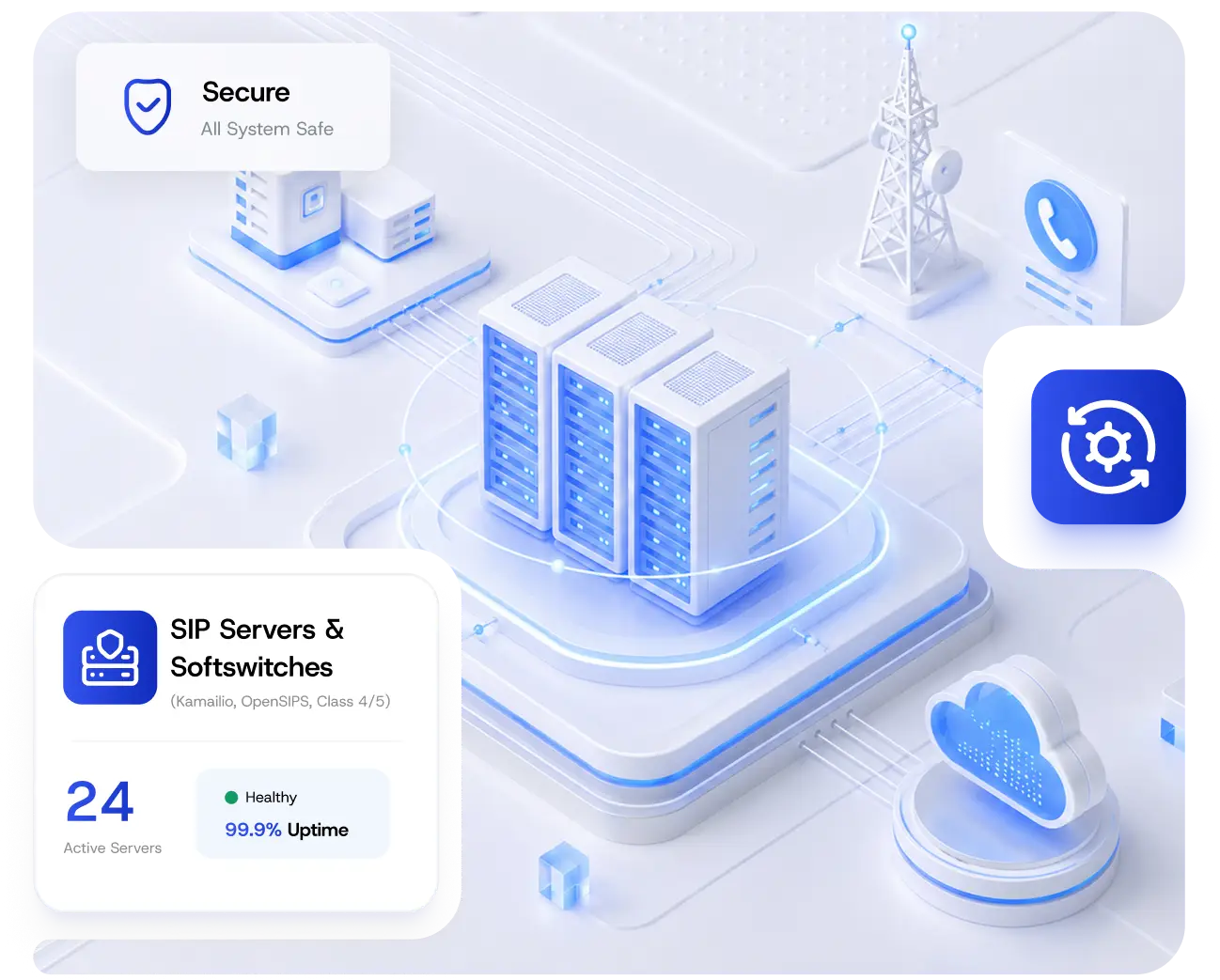
Signaling & Core Systems
- SIP servers & softswitches (Kamailio, OpenSIPS, Class 4/5)
- Session Border Controllers (SBCs)
- Call routing & dial plans
- Protocol handling & signaling logic
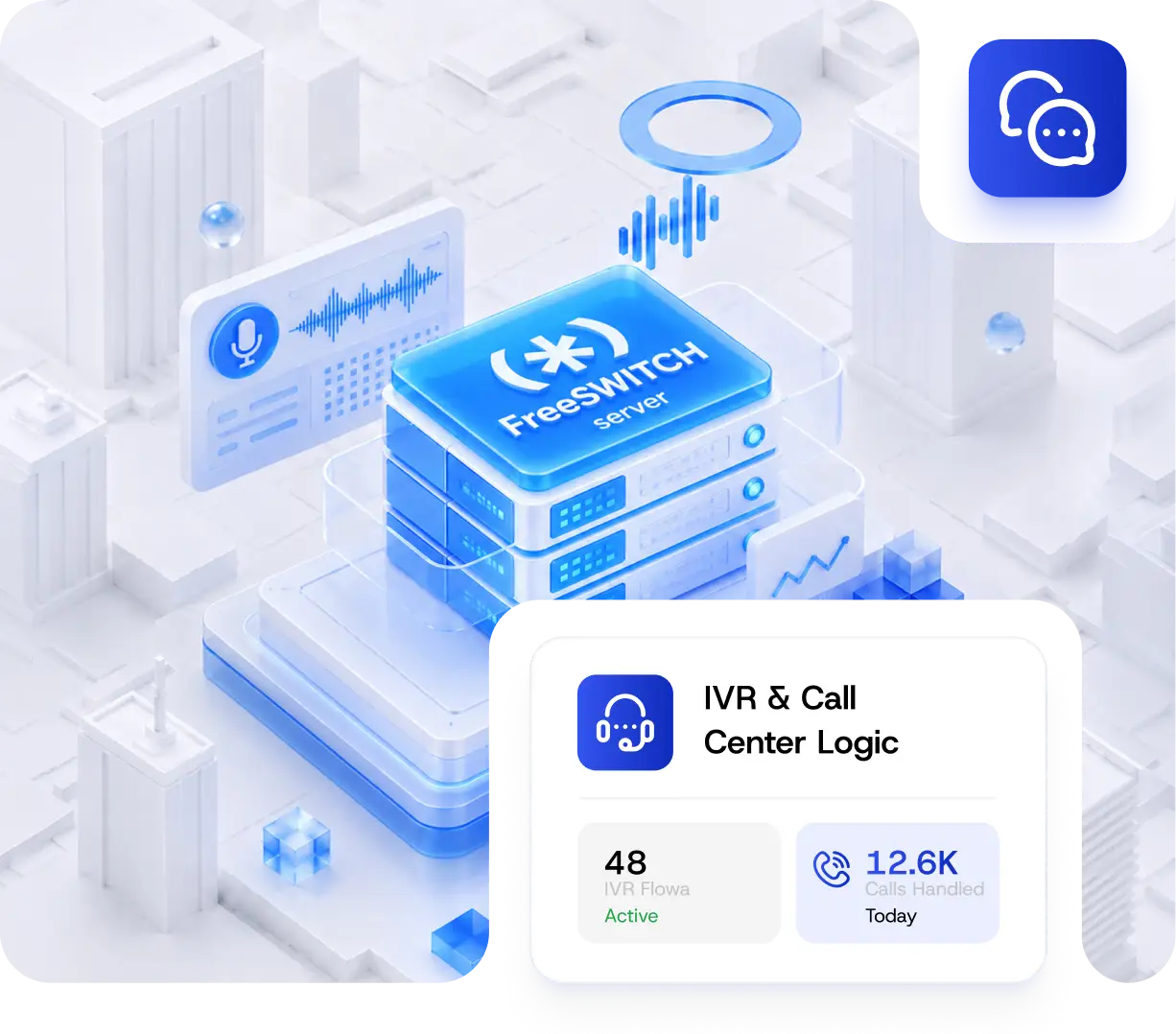
Media & Communication
- Media processing engines (FreeSWITCH, Asterisk)
- RTP stream handling
- IVR & call center logic
- Real-time voice processing layers
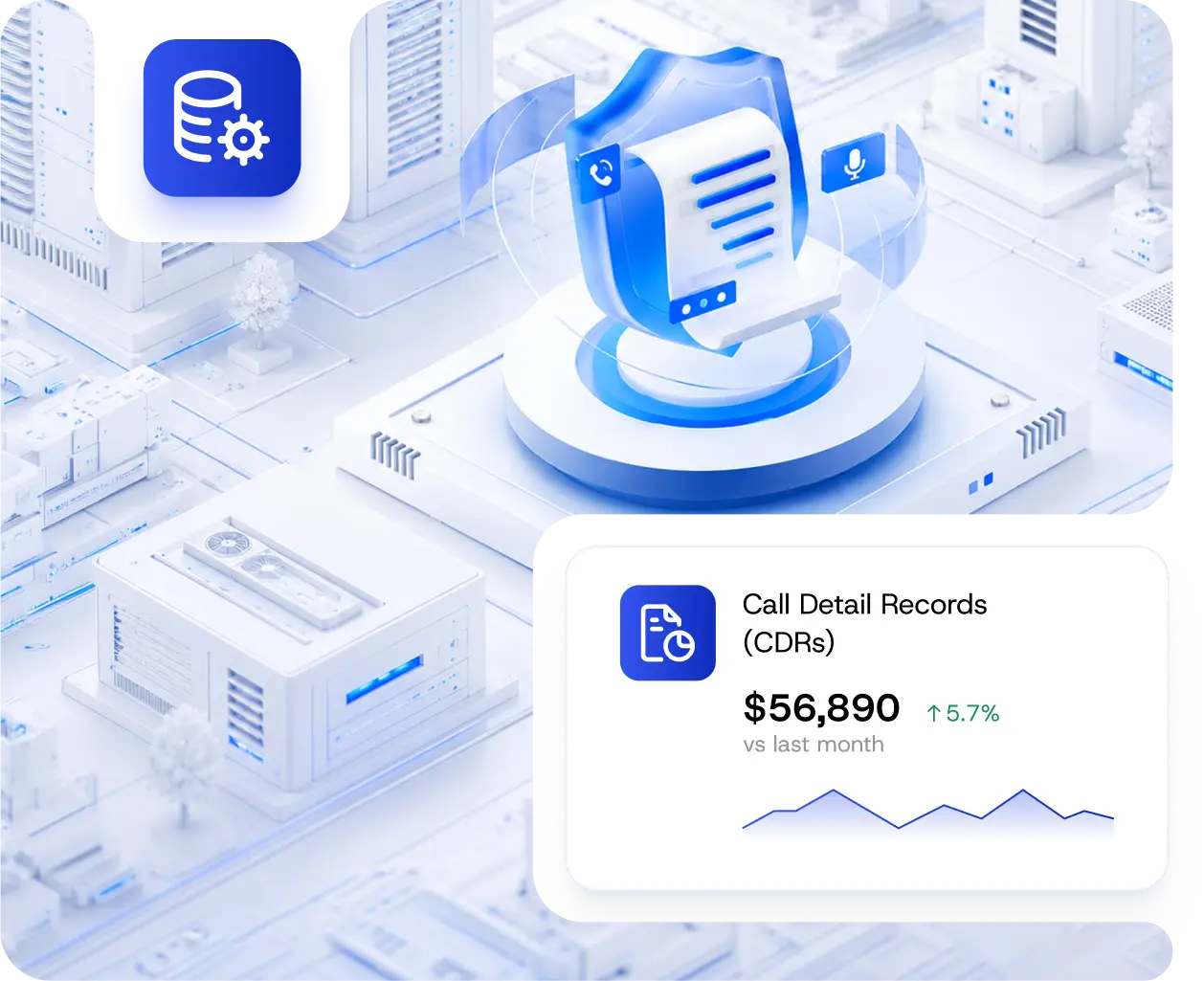
Billing & Data Systems
- Billing & mediation platforms
- Subscriber data & ledgers
- VoIP databases
- Call Detail Records (CDRs)
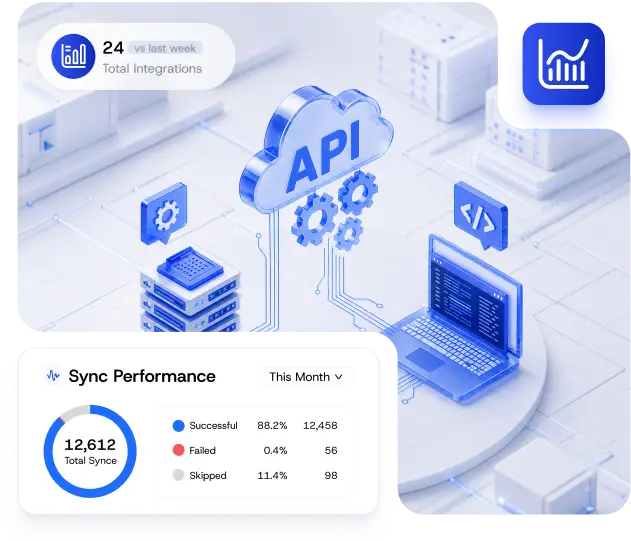
Integrations & External Systems
- CRM integrations
- API & webhook connections
- Third-party service integrations
- External system sync layers


Relax. We Tested It
We don't just hand it over. We make sure it survives the rough days first.
Active-active architecture for built-in disaster recovery
Auto-scaling media handling for traffic spikes
Zero-loss migration of critical data and systems
Reduced infrastructure and SIP routing costs
Consistent QoS with enforced media performance standards
Pre-launch stress testing with CPS, load, and MOS tracking


Our VoIP Infrastructure Migration Process
A phased rollout designed to protect your network at every single step.
Assessment & Migration Planning
Audit systems, map dependencies, and define a scalable migration plan
Pre-Migration Readiness
Set up cloud, security, compliance, and validate databases
Data Mapping & Preparation
Map and validate call flows, IVRs, CDRs, and subscriber data
Infrastructure Setup & Test Environment
Prepare servers, SIP trunks, and a controlled test environment
Controlled Migration & Automation
Migrate systems and data using automated, low-risk methods
Testing, Validation & Dry Runs
Run load tests and dry runs to verify performance and stability
Cutover, Routing & Go-Live
Execute cutover, switch routing, and move traffic gradually
Monitoring, Optimization & Training
Monitor performance, optimize systems, and train your team
Frequently Asked Questions
A VoIP infrastructure migration involves safely moving critical communication components (like SIP servers, SBCs, and routing logic) from legacy hardware to modern cloud environments.
Our voice migrations for enterprises start with a rigorous architecture audit, followed by CPS traffic simulation and a phased rollout to ensure zero downtime.
A comprehensive VoIP migration project plan maps out the exact sequence for transferring SIP signaling, media processing engines, and CDR databases safely.
Our business VoIP migration services utilize active-passive node deployments and real-time SIP signaling logs, routing traffic seamlessly to the new environment.
Absolutely. Our VoIP migration services include hardening the new perimeter by implementing SIP TLS signaling encryption, SRTP media encryption, and SBC-based DDoS protection.